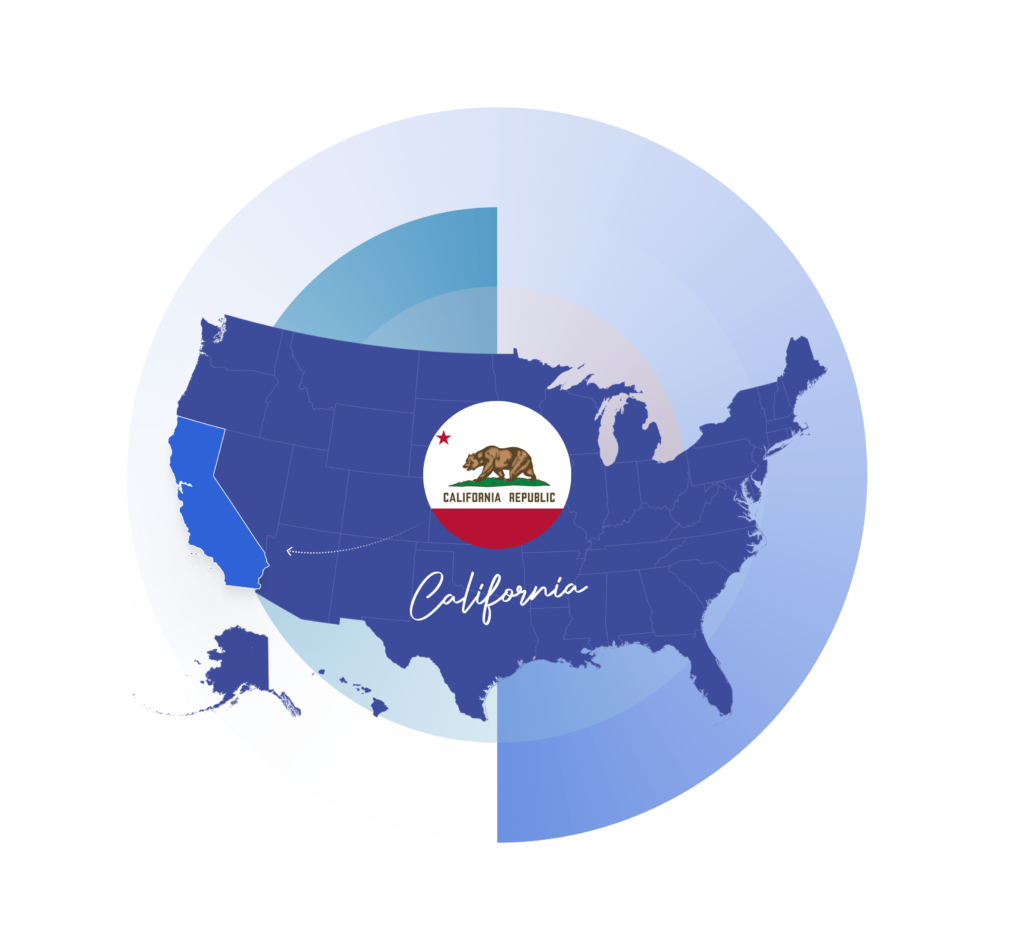
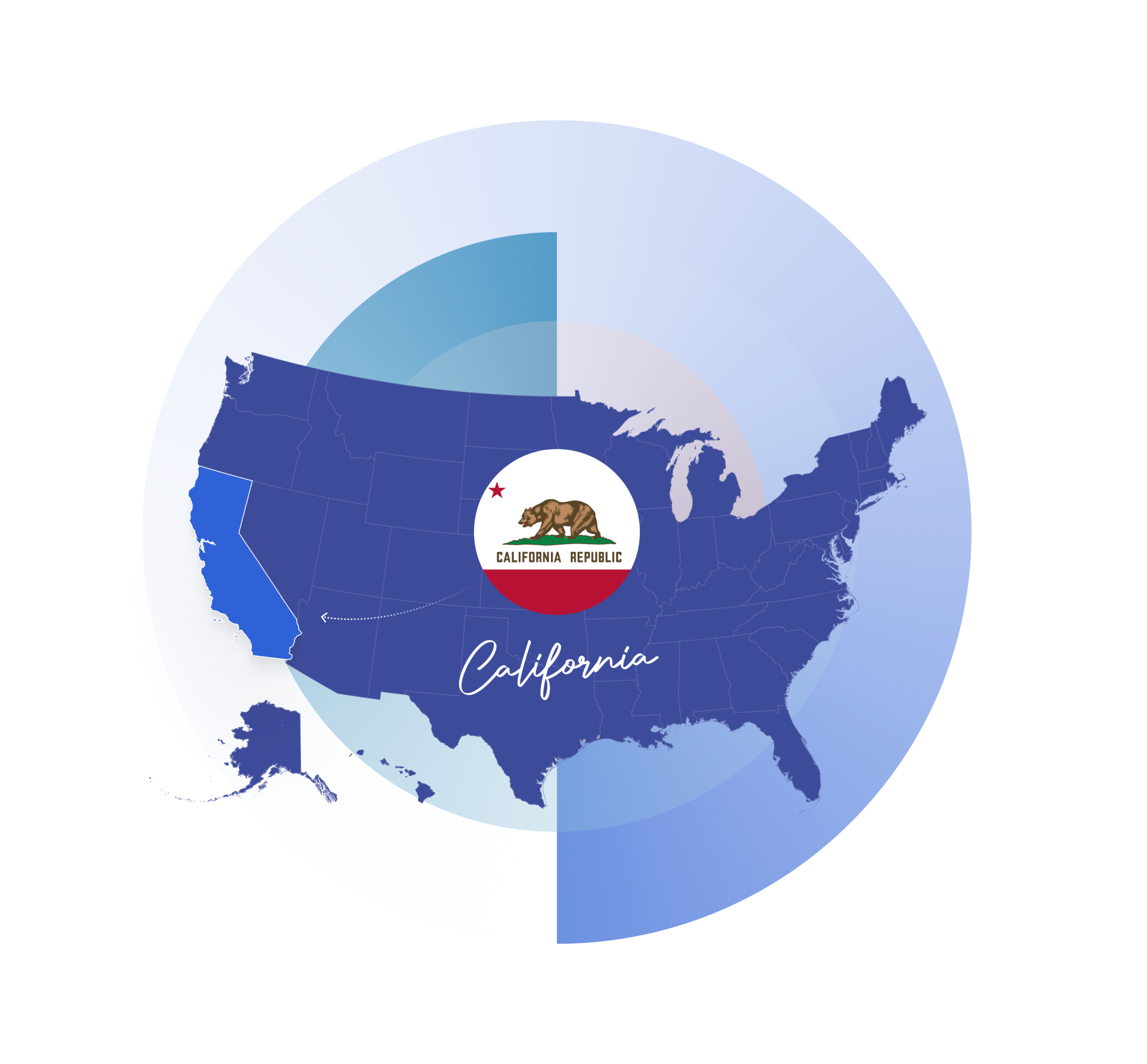
California SB 1120 covers entities that develop, deploy, or use AI systems related to health, safety, or insurance affecting California residents. These entities include insurers, medical and medical technology companies, AI system vendors supplying systems to regulated industries, and companies employing AI systems for underwriting, processing claims, diagnosis, treatment recommendations, or safety judgments.
The Act has special relevance when AI system outputs could substantially impact a determination related to physical well-being, insurance benefit access, or financial protection.
Why This Framework Matters
California SB 1120 matters because health, safety, and insurance decisions represent some of the highest-impact AI use cases. Errors or bias in these systems can lead to physical harm, denial of care, loss of coverage, or unfair financial outcomes.
From a business and risk perspective, the Act:
Signals heightened regulatory scrutiny of AI in life-impacting sectors
Increases expectations around human involvement and accountability
Raises compliance stakes for AI-enabled insurance and health platforms
Reinforces the idea that efficiency gains cannot override safety or fairness
For organizations operating in California—or serving California residents—SB 1120 highlights that sector context matters. AI systems acceptable in low-risk settings may be subject to stronger controls when used in health or insurance workflows.
Organizations evaluating compliance with California SB 1120 should also consider obligations under California AB 3030, as both laws govern the safe and transparent use of AI in healthcare settings.
Key Areas Covered by the Framework (Regulatory highlights)
The bill, SB 1120, is concerned with risk-contingent use of AI and not with General-purpose AI model development. The legislative concern on regulation is with regard to how AI systems are employed within a setting wherein incorrect and biased results may lead to negative consequences.
Some of the most important regulatory trends and
Health and Safety Protection, to ensure AI is not used as a substitute for professional judgment where it shouldn’t be
Insurance decision fairness, especially when artificial intelligence systems play a role in insurance coverage, pricing, or insurance claims decisions
Transparency, including the need for clarity on the use of AI within important decisions
Human oversight, which allows for review and contestability of computerized output
In fact, the Act represents a more general policy ethos in the State of California, where AI can inform decisions, but cannot act unregulated in high-stakes areas of endeavor.
Governance, Documentation & Controls
There is an implicit focus on organizational governance and controls in California SB 1120, even where the requirements are not written in the form of a prescriptive checklist.
The entities carrying out their activities in terms of this Act are required to show that they are
Documented understanding of locations and methods of application of AI in healthcare, safety, and insurance processes
Internal policies related to proper and improper uses of AI
Processes to provide a meaningful human review of AI-aided decisions
Data governance practices for preventing bias, errors, and unsafe results
Error mechanisms for monitoring misuse and unforeseen effects
For instance, this will mean organizations having the capacity to explain, justify, or supervise decisions made by AI systems involving the well-being or economic security of a person.
How Our Platform Enables Compliance
Our AI Governance platform helps organizations operationalize the requirements of SB 1120 by embedding sector-specific AI risk controls in routine operations.
Because of this, the platform allows organizations to:
Identify AI systems that are used in health, safety, and insurance contexts
Classify AI use cases based on impact and sensitivity.
Document human-in-the-loop decision points
Record-keeping of AI system objectives, limitations, and controls
Generate compliance ready documentation
Develop proof for responsible AI use in regulated industries
Centralizing governance and documentation enables consistent, auditable compliance without slowing operational workflows.
Penalties & Liability Exposure
California SB 1120 is legally binding where enacted and enforced, and compliance expectations are to be enforced through existing California regulatory and consumer protection mechanisms.
Potential exposure includes:
Regulatory enforcement actions
Civil penalties or corrective orders
Increased liability in insurance or healthcare disputes
Damage to reputation after causing AI-related harm
Where any penalties are not identified as such, the failure to exercise reasonable care in AI-assisted health or insurance decisions is likely significantly to heighten the risk of litigation and enforcement.
Who Should Pay Attention
California SB 1120 is especially relevant for:
Health insurers and insurance technology providers
Healthcare organizations using AI-driven decision support tools
AI vendors supplying models into regulated health or insurance environments
Enterprises using AI for safety-critical assessments
Legal, compliance, risk, and product governance teams
Executives responsible for regulated AI deployment
Organizations do not need to be headquartered in California to fall within scope—impact on California residents is sufficient.
Update & Implementation Status
California SB 1120 is a segment of the broader California legislature’s efforts in the realm of artificial intelligence, especially in fields that are highly sensitive in nature. This act remains contingent upon the progress of the legislature.
In spite of the specifics of final enforcement, there is a distinct regulatory intent in the Act: there will be greater expectations regarding the use of AI in health, safety, and insurance matters.
Alignment efforts early on position companies for easier transition under future California laws regarding AI and enhance their position in regulated markets.