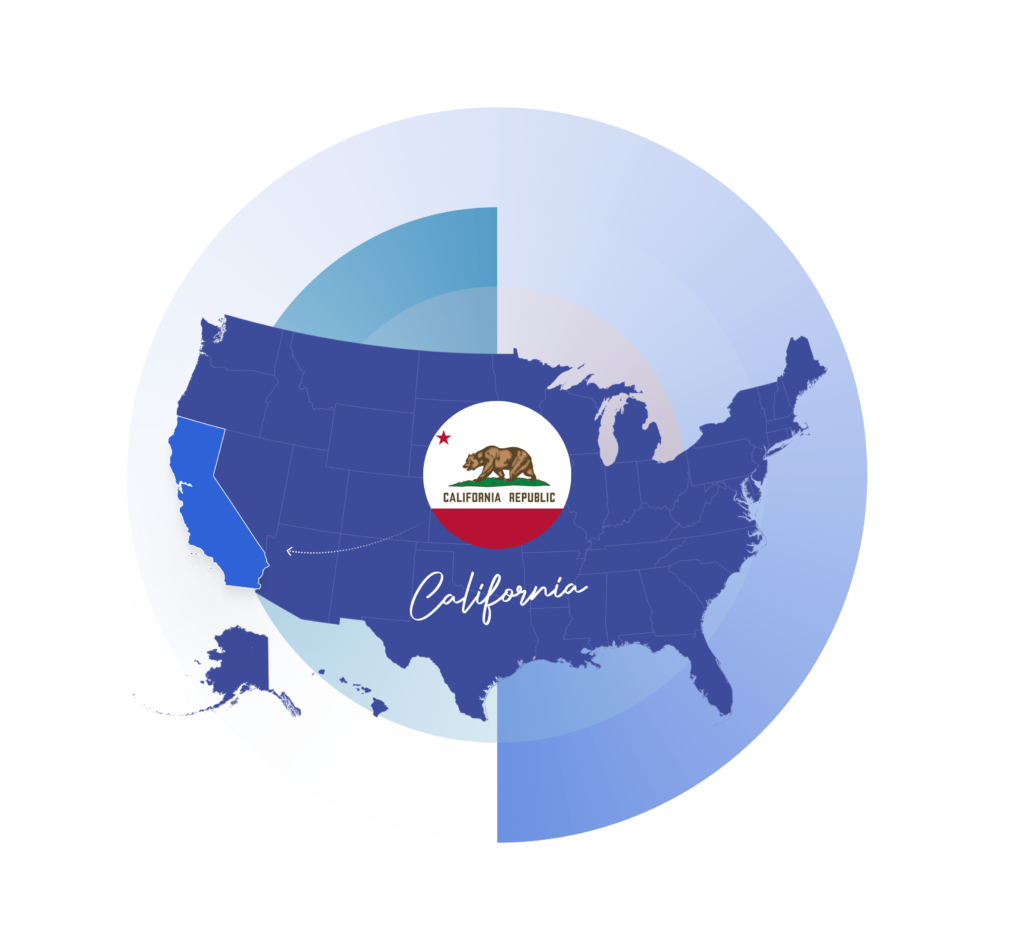
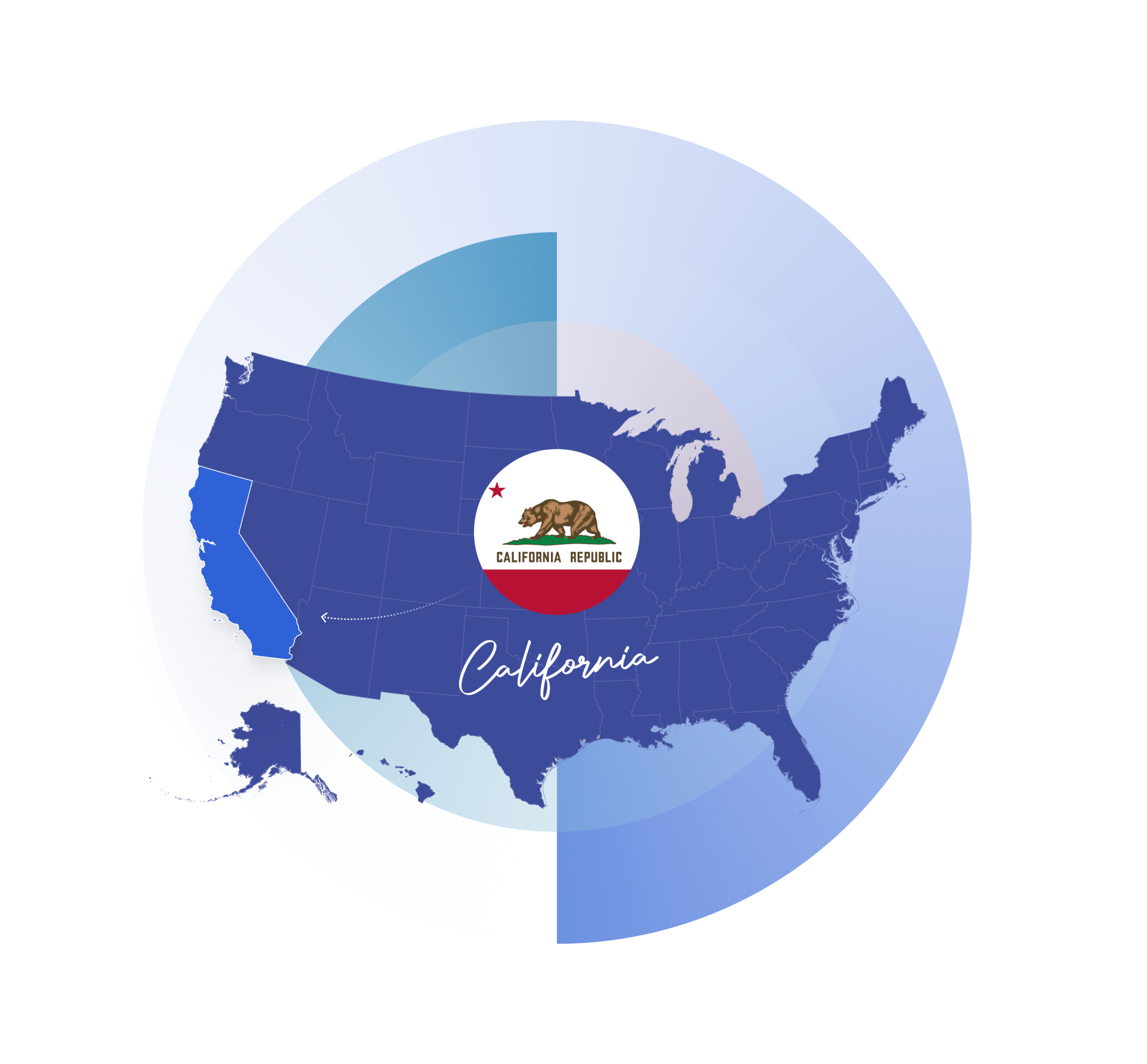
California’s Employment Regulations Regarding Automated Decision Systems
A body of requirements emerging from California’s employment, civil rights, and consumer protection laws and related regulatory guidance governing automated tools used in employment decisions.
These requirements apply to employers and employment agencies that use automated or algorithmic tools to make or support decisions related to hiring, screening, promotion, performance evaluation, termination, or other terms and conditions of employment in California.
The primary objective is to prevent discrimination, ensure transparency and fairness in employment decisions, and protect job applicants and employees from harmful or biased outcomes produced by automated decision systems.
Why This Framework Matters
In terms of business and risks, the approach taken by the state of California in ADS and the labour world is very consequential in nature. The state of California does not rely on a single law code for the application of artificial intelligence. This means that organizations can never take advantage of the loophole that a single law code has not been applied.
This is important because the use of job qualifications is high-risk. This is due to the potential disparate impact that resume screeners, personality profilers, productivity measurers, and performance analysers could have when not properly regulated. This is consequential in California law, where even unintentional discrimination can result in enforcement action.
In the context of businesses applying AI on a wide scale to hiring or human resource management, California basically establishes a national standard, given its influence regarding the market scale.
Key Areas Covered by the Framework (Regulatory highlights)
California Employment Regulations Regarding ADS in employment focus on outcomes and accountability, not technical design.
Anti-Discrimination Protections
Automated systems used in employment must comply with California’s anti-discrimination laws. If an ADS disproportionately excludes or disadvantages protected groups, employers may be held liable, regardless of whether the discrimination was intentional.
Use of Automated Tools in Employment Decisions
The California Employment Regulations Regarding Automated Decision Systems applies where ADS meaningfully influences decisions such as candidate screening, ranking, promotion eligibility, or termination. Tools presented as “decision support” may still be scrutinized if they materially affect outcomes.
Transparency and Notice Expectations
While not always explicitly mandated, regulators increasingly expect employers to
understand, document, and explain how automated tools influence employment decisions, particularly when challenged by applicants or employees.
Employer Responsibility for Vendors
Employers remain accountable even when ADS tools are provided by third-party vendors. Outsourcing does not transfer legal responsibility for discriminatory or unfair outcomes.
Governance, Documentation & Controls
While California does not require a compliance program, sound governance structure and practices are needed for effective risk management.
It is important for organizations to formalize the selection, validation, and use of automatic methods in the hiring process. This can include the establishment of what constitutes acceptable usage, the assignment of accountability, and the establishment of procedures related to the review and escalation of disputed automatic outcomes.
Careful monitoring for disparate impact, independent audits of employment processes, or proper human-in-the-loop checks are essential. Keeping proper documentation of reasonable care exercised to monitor and correct problems can help mitigate risks of enforcement actions or lawsuits.
How Our Platform Enables Compliance
Our platform enables organizations to manage California Employment Regulations Regarding ADS risk through operationalized governance:
Stage-based control mapping that aligns employment-related ADS controls with design, deployment, and operational phases
Compliance-ready and audit-ready documentation covering fairness, oversight, and use limitations
Clear assignment of control ownership so responsibility for employment ADS compliance is traceable and enforceable
Audit trails capturing internal and external compliance discussions related to employment automation
Centralized repository of all employment ADS governance artifacts, policies, and evidence
This approach helps employers demonstrate accountability, oversight, and reasonable care in high-risk employment contexts.
Penalties & Liability Exposure
Failure to comply may also give rise to considerable exposure to liability, including government investigations, civil damages, injunctive relief, and lawsuits. Employment discrimination cases may also be expensive, especially when organizations are victorious.
Apart from the fines that are provided under the legislation, organizations are faced with the damage to their image and the damage to the level of trust among their employees. The stance adopted by the state of California has ensured that a pre-emptive approach is
Who Should Pay Attention
This framework is particularly relevant for:
Employers using AI or automated tools in hiring or workforce management
HR, talent acquisition, and people analytics teams
Compliance, legal, and risk management professionals
Executives accountable for workforce strategy and ethics
Any organization operating in California and using automation in employment decisions should treat ADS governance as a core compliance priority.
Update & Implementation Status
California actively and increasingly regulates the use of ADS in employment. It does so through existing mechanisms of employment, civil rights, and consumer protection, with growing regulatory and public scrutiny of automated hiring and workforce management tools.
As the pace of AI adoption continues to increase, California will likely continue to develop its guidance and enforcement practices. The earlier investment one makes in governance, documentation, and accountability, the better the defensive and strategic position.