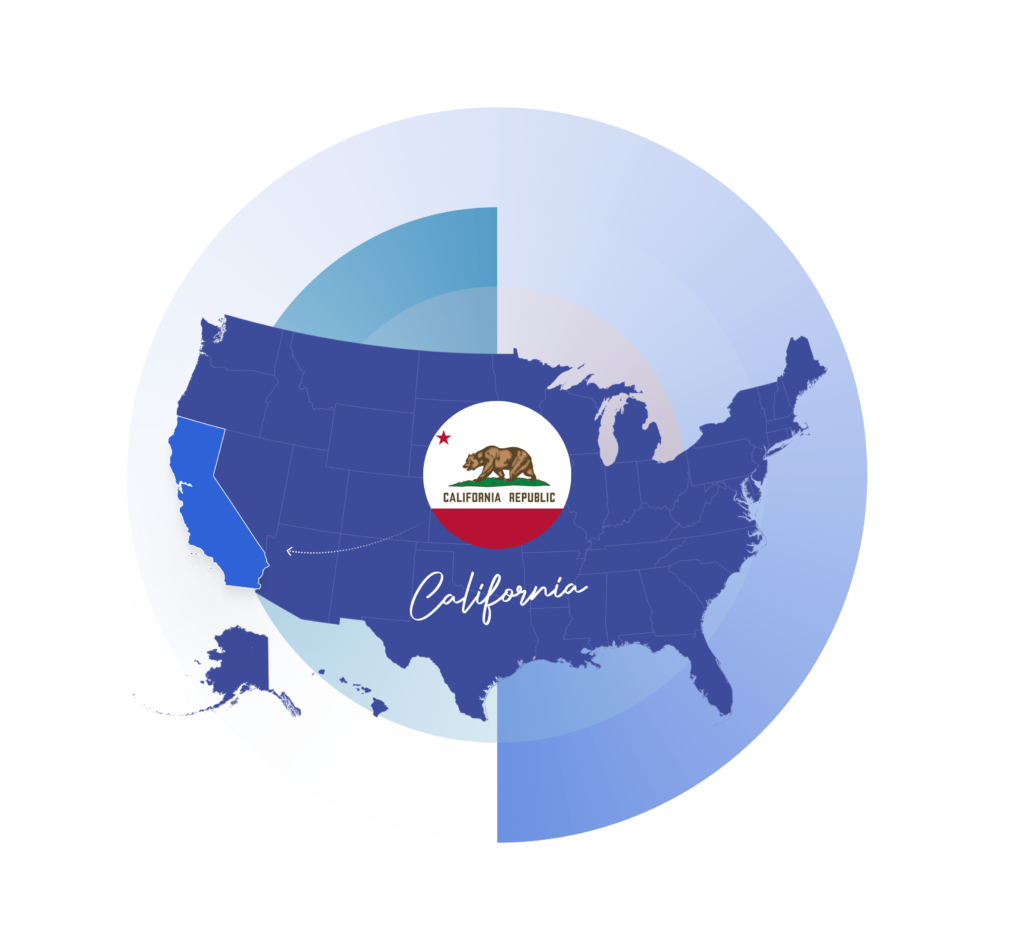
California Assembly Bill 2013 affects organizations that develop, train, or significantly alter the generative artificial intelligence systems. This Act covers organizations that develop or alter generative models in their capacity as developers, startups, large technology corporations, or organizations that fine-tune or use generative models. This Act also affects out-of-state organizations that offer their generative artificial intelligence systems or make them accessible to California citizens. Organizations using large voluminous data—text, image, voice, video, or multimedia—should consider the Act as applicable.
Why This Framework Matters
California AB 2013 is relevant because it deals with a major risk for businesses: the lack of clarity with regard to the training data for generative AIs. A major implication of the growing use of generative AIs is a desire for greater understanding with regard to where the input data comes from and whether it is being generated in a responsible way.
Concerning the business side, the lack of transparency is associated with risks related to:
Copyright and intellectual property issues
Privacy and misuse of data allegations
Contractual risks that may arise when dealing with corporate
Damage to reputation because of unethical practices related to AI usage
California AB 2013 mark a new era where compliance with transparency becomes obligatory. This means that the training of artificial intelligence becomes part of the compliance process.
Key Areas Covered by the Framework (Regulatory highlights)
The Act requires publicly visible information on the types of data used to train generative AI systems, and this information should be provided in summaries that are non-technical and easy to understand by all concerned individuals. This information should indicate whether the data is text, image, audio, video, or multimodal data and whether such data is publicly available, licensed, or proprietary. Finally, the information should indicate whether the data contains personal information or is created by users.
On the other hand, California AB 2013 also provides specific boundaries regarding disclosure obligations. Developers are not mandated to disclose particular data sets and/or particular copyrighted works, such as model weights, parameters, and proprietary algorithms, or trade secrets and confidential business information. California AB 2013 aims to support meaningful and high-level forms of transparency that promote public, regulatory, and business understandability regarding training methods and corresponding risks, although within limits that protect IP and competitive aspects.
As the California AB 2013 Public Disclosure of Generative AI Training Data Act increases expectations around transparency in AI development, organizations must adopt stronger governance mechanisms to build trust and accountability across AI systems—an area examined in Building Trust in AI: Governance Strategies for Transparent and Accountable Systems.
Governance, Documentation & Controls
This section guides compliance, legal, audit, and AI governance teams in operationalizing AB 2013’s training data transparency requirements. Organizations should adopt an AI Training Data Governance Policy, maintain a training data register mapping models to data categories and sources, conduct third-party data due diligence, and perform personal data impact assessments where relevant.
Internally, companies should retain documentation supporting public disclosures, including records of data categories by model version, evidence of lawful access or licensing, clear data source justifications, and version-controlled updates when datasets change. While AB 2013 does not mandate external audits, organizations should keep audit-ready records, enable internal reviews, and align documentation with copyright, privacy, and consumer protection laws. Public disclosures must be easily accessible and updated when material changes occur.
How Our Platform Enables Compliance
Our AI governance platform makes it easier to achieve the requirements of CaliforniaAB 2013 in an efficient manner in the following ways:
Managing training data classification and tracking sources
Automating public filing summary filings in accordance with statute
The association of artificial intelligence models and related documentation/risk assessments
Promoting internal audits and regulatory readiness
Integrating AB 2013 requirements into overall AI, Privacy, and IP Compliance initiatives
This helps to minimize human effort on disclosures while providing a definitive disclosure.
Penalties & Liability Exposure
Though California AB 2013 fails to establish specific fines for non-compliance, it can lead to:
California consumer laws: Actions for enforcement
Contractual risk of exposure to customers who demand transparency
Users & partners’ lack of trust
Regulators’ lack of trust
In reality, a failure to be transparent about training data practices could be a weakness in its position on risk as an organization.
Who Should Pay Attention
This framework is especially relevant for:
Generative AI developers and foundation model providers
SaaS companies integrating generative AI features
Enterprises procuring or reselling AI-powered products
Legal, compliance, and AI governance professionals
IP, privacy, and risk management teams
Any organization using generative AI at scale should treat AB 2013 as a priority compliance issue.
Update & Implementation Status
California AB 2013 is now enacted and is part of the overall regulatory trend of ensuring transparency and accountability for AI. This is set to impact other legislative developments at the state and federal level and will likely become a benchmark for AI transactions and due diligence.